GoHighLevel has become one of the most powerful all-in-one platforms for CRM, marketing automation, funnels, and client communication. Yet, in real-world implementations, many businesses fail to see results—or worse, experience operational chaos—after adopting it.
The reason is almost never the software.
In my experience delivering Go High Level systems for agencies, SaaS founders, and service businesses across competitive markets, failure typically stems from poor strategy, incorrect configuration, and lack of system thinking. Businesses often treat Go High Level as a plug-and-play tool rather than an enterprise-grade operating system that requires deliberate design.
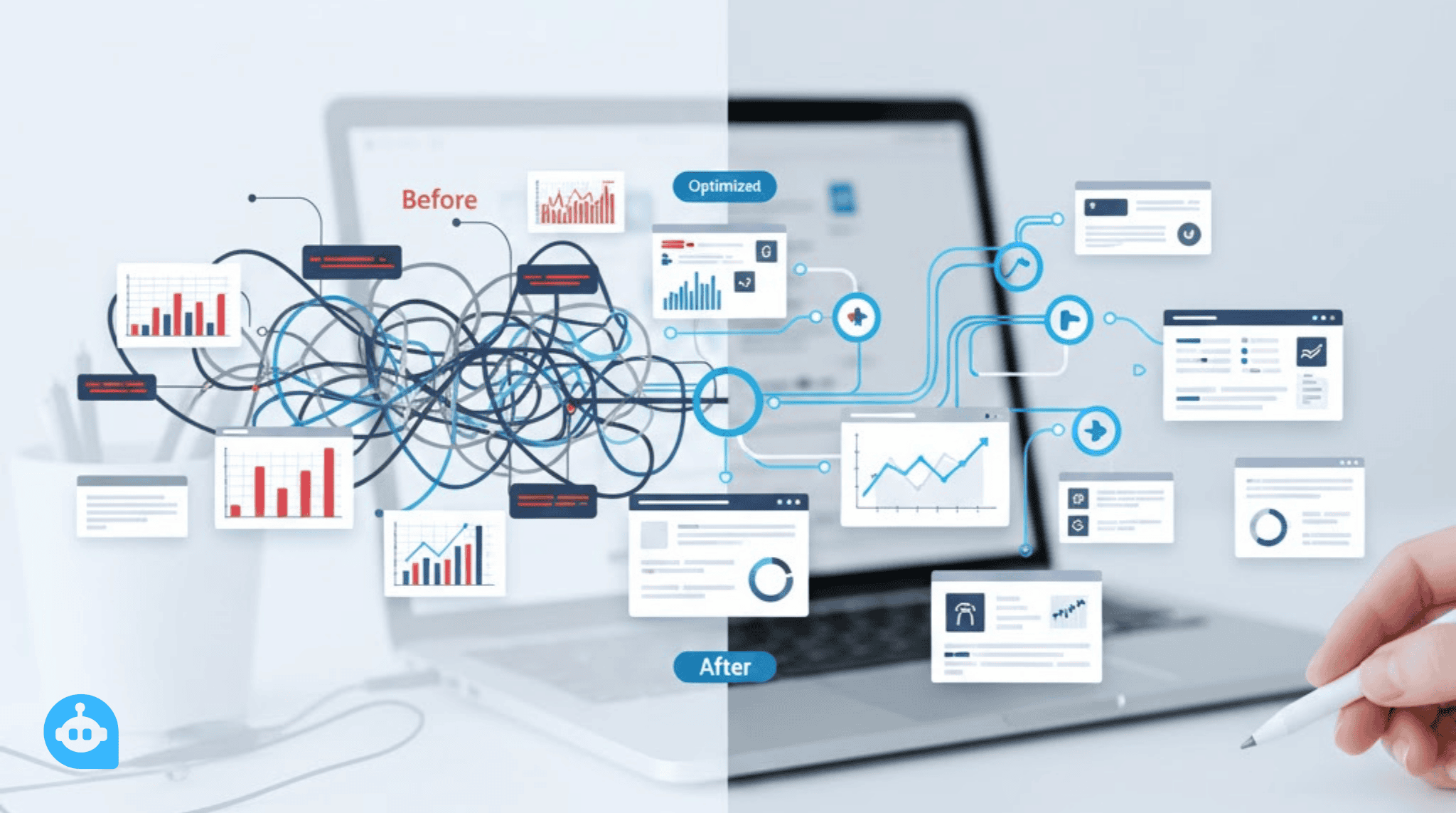
Disconnected pipelines, broken automations, inaccurate reporting, and deliverability issues don’t happen randomly. They are the direct result of avoidable implementation mistakes. When these issues compound, businesses lose leads, waste ad spend, and lose confidence in their CRM—sometimes abandoning the platform entirely.
This article breaks down the most common Go High Level mistakes I see repeatedly and explains how a Go High Level Expert fixes them using proven frameworks, not trial and error. If you want Go High Level to become a scalable growth system rather than a daily frustration, understanding these mistakes is critical.
Mistake #1 – Poor CRM Pipeline Structure
One of the most damaging mistakes is building CRM pipelines that do not reflect how the business actually sells. Many teams copy generic pipeline templates or create stages without understanding buyer behavior. As a result, deals stagnate, follow-ups fail, and sales teams lose visibility.
Businesses make this mistake because Go High Level allows unlimited customization, which creates false confidence. Without sales process mapping, pipelines become cluttered or misleading.
Business impact:
- Leads fall through the cracks
- Sales teams lose accountability
- Forecasting becomes impossible
How a Go High Level Expert Fixes This
A Go High Level Expert starts by mapping the real-world customer journey, not software stages. Each pipeline stage is tied to a clear action, trigger, and ownership rule. Automation is added only after pipeline logic is finalized. This ensures accurate tracking, clean handoffs, and predictable deal movement.
For structured implementations, teams often rely on a custom Go High Level CRM setup designed specifically for their sales motion rather than templates.
Mistake #2 – Incorrect Automation Triggers
Automations fail most often due to poorly defined triggers. Businesses commonly use multiple triggers for the same action or fire workflows based on vague events like “contact created,” causing loops or missed steps.
This happens when automation is built incrementally without reviewing overall logic.
Business impact:
- Duplicate messages
- Missed follow-ups
- Customer confusion
How a Go High Level Expert Fixes This
An expert audits every trigger and consolidates workflows into single-source logic paths. Each automation has one purpose, one trigger, and clearly defined exit conditions. Advanced experts also document trigger logic to prevent future conflicts during system scaling.
This is a core part of professional Go High Level automation work.
Mistake #3 – Overcomplicated Workflows
Many businesses assume complexity equals sophistication. They build massive workflows with dozens of conditions, branches, and delays—making them impossible to debug.
Complexity often comes from trying to solve multiple problems in one workflow.
Business impact:
- Automation breaks silently
- Updates become risky
- Teams avoid using the system
How a Go High Level Expert Fixes This
Experts design modular workflows—small, purpose-built automations that connect logically. Each workflow is testable, replaceable, and scalable. This approach improves reliability and allows safe optimization over time.
Mistake #4 – No Lead Attribution Tracking
Without attribution, businesses don’t know which channels drive revenue. Many rely on basic form tracking or manual tagging, which fails at scale.
This mistake is usually made because attribution setup feels “advanced” and is skipped during launch.
Business impact:
- Wasted ad spend
- Poor campaign decisions
- Inaccurate ROI reporting
How a Go High Level Expert Fixes This
A Go High Level Expert configures UTM tracking, custom fields, and pipeline attribution rules. Every lead is tied to source, medium, and campaign—allowing leadership to make data-backed decisions. Attribution becomes part of reporting, not an afterthought.
Mistake #5 – Misuse of Snapshots
Snapshots are often treated as shortcuts. Businesses import snapshots without understanding what’s inside them, inheriting broken workflows, irrelevant fields, and unnecessary triggers.
Business impact:
- Bloated systems
- Conflicting logic
- Security risks
How a Go High Level Expert Fixes This
Experts treat snapshots as reference frameworks, not finished systems. They strip unnecessary components, rebuild logic, and align configurations to the business model. This avoids long-term technical debt and improves system clarity.
Mistake #6 – Poor Email and SMS Deliverability Setup
Sending messages without proper domain authentication is a silent killer. Many businesses skip SPF, DKIM, and A2P registration.
This happens because deliverability issues don’t show immediately.
Business impact:
- Emails land in spam
- SMS gets blocked
- Engagement collapses
How a Go High Level Expert Fixes This
An expert configures full email authentication, warms domains, and registers messaging traffic correctly. This ensures high inbox placement and long-term communication reliability—especially for high-volume campaigns.
Mistake #7 – No Reporting or Performance Tracking
Dashboards are often ignored or misconfigured. Businesses rely on gut feeling rather than data.
Business impact:
- No visibility into bottlenecks
- Poor forecasting
- Weak accountability
How a Go High Level Expert Fixes This
Experts design role-based dashboards aligned with KPIs—sales, marketing, and operations. Reports are reviewed regularly and tied to optimization decisions.
Mistake #8 – Lack of Onboarding and Documentation
Systems fail when teams don’t understand them. Many businesses never train users or document processes.
Business impact:
- Low adoption
- Human errors
- System misuse
How a Go High Level Expert Fixes This
Experts create onboarding SOPs, training sessions, and internal documentation. This ensures consistent usage and protects system integrity as teams grow.
Why Hiring a Go High Level Expert Prevents These Costly Mistakes
DIY implementations often look cheaper initially but become expensive through inefficiency, rework, and lost opportunities. A Go High Level Expert brings pattern recognition—knowing what breaks, what scales, and what actually drives revenue.
Experts don’t just configure software; they design operating systems. They align CRM structure with business goals, automation with human behavior, and reporting with decision-making.
Working with specialists offering Go High Level consulting services or choosing to hire a Go High Level expert reduces risk, shortens time-to-value, and ensures scalability. Businesses that engage experts early consistently see higher ROI and faster operational maturity.
If you want Go High Level to support growth rather than slow it down, expert-led implementation is not optional—it’s strategic.
You can explore structured support options through Go High Level Expert services or directly contact Autoesta for Go High Level support when precision and accountability matter.
Frequently Asked Questions
1. Is Go High Level suitable for my business size?
Yes, but only when implemented correctly. Small teams benefit from automation efficiency, while larger teams gain from pipeline visibility and reporting—assuming the system is designed intentionally.
2. Can I fix a broken Go High Level setup?
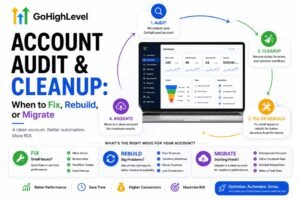
Yes. A full audit can identify broken logic, automation conflicts, and structural issues, then rebuild the system without data loss.
3. How long does expert implementation take?
Typically 2–6 weeks depending on complexity, integrations, and documentation requirements.
4. Do I need custom workflows or templates?
Most businesses require custom workflows. Templates are starting points, not final solutions.
5. Is Go High Level better than other CRMs?
Compared to platforms like HubSpot, Go High Level offers deeper automation control—but only with proper expertise.
6. Can Go High Level integrate with other tools?
Yes, including tools like Zapier, accounting systems, and custom APIs.
7. What industries benefit most?
Agencies, service businesses, SaaS, real estate, healthcare, and coaching businesses see strong results.
8. How do I ensure deliverability?
Proper authentication, warm-up, and compliance are essential—this should be handled by an expert.
Go High Level is not failing businesses—poor implementation is. When CRM structure, automation logic, deliverability, and reporting are handled without strategy, even the best platform underperforms.
A Go High Level Expert brings clarity, structure, and accountability. They prevent costly mistakes, protect data integrity, and build systems that scale with the business. Whether you’re launching fresh or fixing an existing setup, expert guidance turns Go High Level into a revenue engine—not a liability.
If you’re serious about long-term growth, now is the time to hire autoesta a Go High Level expert and build your system the right way.