(How to Evaluate Experience Before You Hire)
Choosing a Go High Level expert is not about finding someone who knows the software.
It’s about identifying who can implement Go High Level in a way that actually survives real business usage.
Many businesses discover this too late — after broken automations, lost leads, messy CRMs, or systems that worked in demos but failed in practice.
This guide explains what truly makes a real Go High Level expert, how experienced consultants differ from installers, and how to evaluate expertise before trusting someone with your CRM and automation systems.
Why “GoHighLevel Expert” Is Often Misunderstood
GoHighLevel is flexible, powerful, and deceptively simple to start with.
That combination creates a problem: surface-level familiarity is mistaken for expertise.
Many people label themselves experts after:
- Setting up basic pipelines
- Cloning snapshots
- Connecting simple automations
- Following tutorials
But real expertise only shows up after months of live usage, when systems face:
- Real lead volume
- Human errors
- Edge cases
- Scaling pressure
A real GoHighLevel expert is someone who has seen systems fail, fixed them, and redesigned them to last.
The Core Difference: Installers vs Real Experts
The clearest distinction is how the person thinks.
An installer asks:
“What features does GoHighLevel offer?”
A real expert asks:
“How does this business operate, and where can automation safely support it?”
This difference affects everything:
- CRM structure
- Automation logic
- Human checkpoints
- Long-term stability
Experts design systems that work even when things go wrong.
Real GoHighLevel Expertise Starts With CRM Architecture
At its core, Go High Level is a CRM platform, not just a funnel or marketing tool.
A real GoHighLevel expert understands:
- Contact lifecycle design
- Pipeline logic
- Opportunity movement rules
- Source attribution
- Data cleanliness over time
They don’t just ask:
“How do we capture leads?”
They ask:
“How will this CRM look after 6–12 months of daily use?”
Poor CRM architecture creates:
- Duplicate contacts
- Broken reporting
- Lost context
- Team confusion
Good architecture prevents these problems before they happen.
Automation Experience Is About Knowing When NOT to Automate
One of the most common mistakes inexperienced consultants make is over-automation.
From real-world implementations, experienced experts know:
- Some actions need human judgment
- Some messages should pause based on context
- Some workflows need manual overrides
- Some triggers fail silently if not guarded
A real GoHighLevel expert builds:
- Conditional logic
- Clear fail-safes
- Human intervention points
- Error visibility
Automation should reduce workload, not remove accountability.
Industry Context Matters More Than Templates
GoHighLevel does not work the same way for every business.
A real expert understands that:
- A real estate lead behaves differently than a healthcare lead
- Legal inquiries require different follow-up logic
- Local services depend heavily on response timing
- Agencies need visibility, not just automation
Generic templates fail because they ignore industry behavior.
Experienced experts adapt GoHighLevel to:
- Customer urgency
- Compliance sensitivity
- Trust cycles
- Sales handoff realities
This contextual understanding only comes from multiple real implementations, not theory.
How to Evaluate a GoHighLevel Expert (Before You Hire)
This is the most important section for decision-makers.
Ask these questions:
Can they explain CRM structure clearly?
If someone can’t explain their CRM logic simply, they likely don’t understand it deeply.
Do they talk about failure scenarios?
Real experts can explain what breaks — and how they prevent it.
Do they understand your industry?
Experience in similar business models matters more than feature knowledge.
Can they fix broken GoHighLevel setups?
Troubleshooting experience is a strong expertise signal.
Do they set realistic expectations?
Over-promising automation is a red flag.
Experts welcome these questions. Installers avoid them.
Proof of Real-World GoHighLevel Experience (Why It Matters)
Experience becomes meaningful only when it’s repeatable and visible.
Since 2021, Autoesta has implemented Go High Level systems across 380+ real projects, working with agencies, real estate businesses, healthcare providers, and service-based companies.
This experience includes:
- Building CRMs from scratch
- Repairing broken automations
- Redesigning pipelines that didn’t scale
- Supporting systems under real usage
Below this section (on your page), you should include:
- Real system screenshots
- Linked case studies
- Client reviews with context
This turns experience from a claim into evidence — for both users and Google.
What Real GoHighLevel Experts Do Differently
Across hundreds of implementations, patterns become clear.
Real experts:
- Start with process mapping, not software
- Design CRMs for longevity
- Automate conservatively and intentionally
- Document decisions
- Build systems clients can understand
They optimize for stability, not demos.
Who This Guide Is For
This guide is for:
- Businesses evaluating GoHighLevel consultants
- Agencies planning long-term CRM usage
- Teams that want automation without chaos
- Owners who value operational clarity
Who This Guide Is NOT For
This guide is not for:
- People looking for quick templates
- DIY-only setups without structure
- Businesses expecting “set and forget” automation
- Anyone avoiding process discussions
Clarity improves outcomes — and rankings.
How This Guide Fits Into Your Decision Process
This article is designed to help you evaluate expertise, not sell services.
If you want to understand how GoHighLevel is implemented in practice, including CRM setup, automation workflows, and long-term system design, explore our detailed GoHighLevel implementation page.
👉 Go High level free consultancy
This keeps search intent clean and prevents keyword cannibalization.
Final Thought: Expertise Shows Under Pressure
Anyone can build a GoHighLevel demo.
Real experts build systems that work when businesses grow, teams change, and volume increases.
When evaluating a GoHighLevel expert, don’t ask:
“What features do you know?”
Ask:
“What breaks — and how do you prevent it?”
The answer reveals real expertise.
How Autoesta Aligns With What Real GoHighLevel Expertise Requires
Everything discussed in this guide — CRM architecture, controlled automation, industry context, and real-world implementation — reflects how Autoesta approaches GoHighLevel in practice.
Autoesta is not positioned as a template-based setup provider.
The work is built around implementation experience, not surface-level software knowledge.
Since 2021, Autoesta has been involved in 380+ GoHighLevel projects, spanning agencies, service businesses, real estate, healthcare, and operationally complex workflows. This volume matters because it exposes patterns that cannot be learned from tutorials or demo accounts.
Across these implementations, Autoesta’s approach consistently focuses on:
- Designing CRM structures that remain usable over time
- Building automation with clear boundaries and human control
- Adapting GoHighLevel based on industry-specific behavior
- Fixing and restructuring broken or unstable GoHighLevel setups
- Prioritizing long-term system clarity over short-term demos
This is the difference between knowing the platform and knowing how the platform behaves in real businesses.
Why This Matters for Ranking, Not Just Trust
From a search and EEAT perspective, Google evaluates expertise through consistency, evidence, and topical relevance, not claims alone.
Autoesta supports its expertise through:
- Repeated GoHighLevel implementations over multiple years
- Documented system screenshots from live environments
- Client reviews tied to real use cases
- Case studies that show workflows in action, not theory
When these elements are visible on the page (screenshots, reviews, linked case studies), they help convert experience into crawlable trust signals, which strengthens how Google interprets authority across GoHighLevel-related topics.
This blog acts as an evaluation and authority layer, while Autoesta’s GoHighLevel service page remains the primary commercial destination. Together, they form a clean, search-aligned structure that supports long-term rankings.
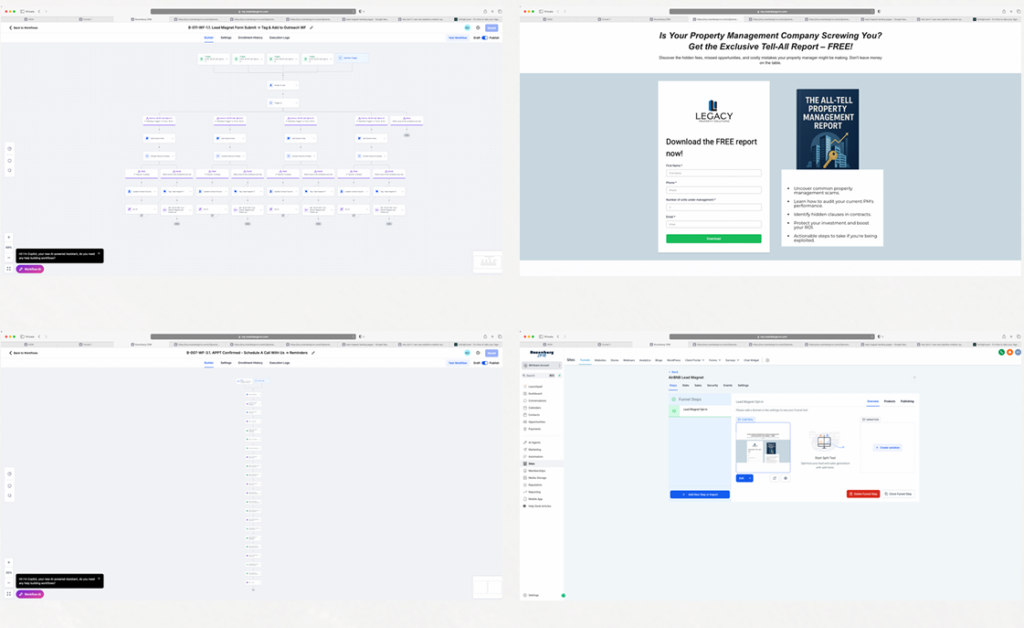
Visual Proof of Real GoHighLevel Implementations
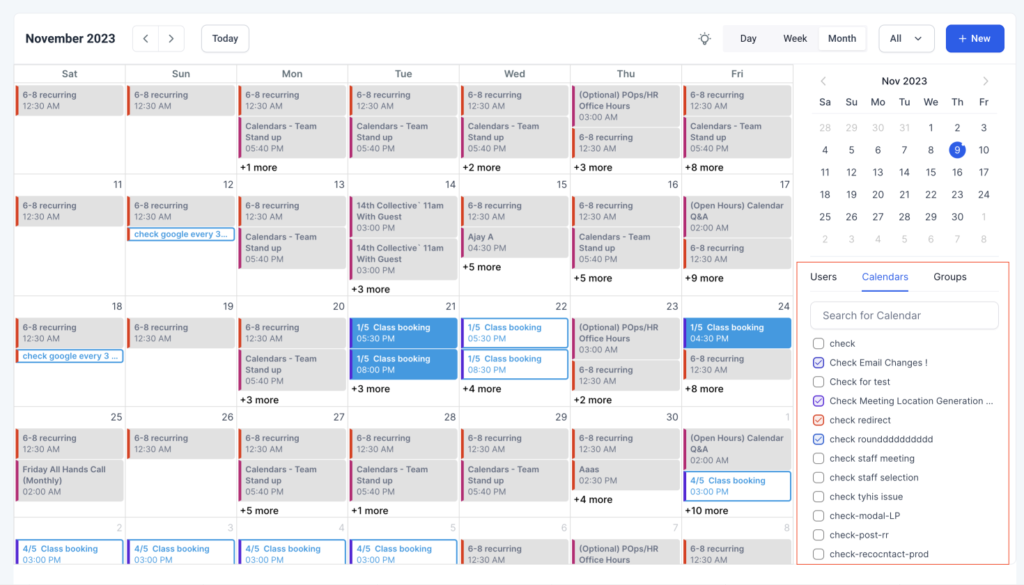
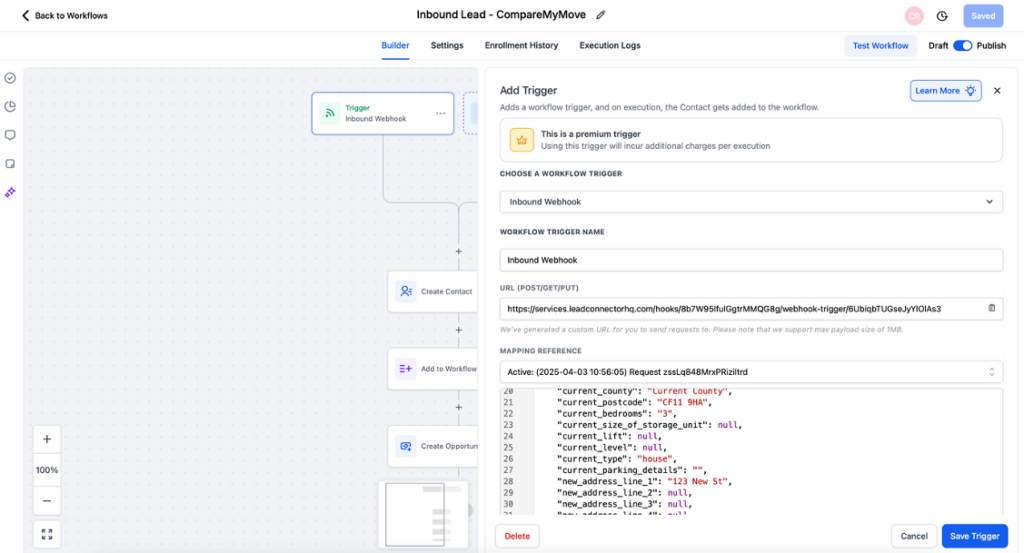
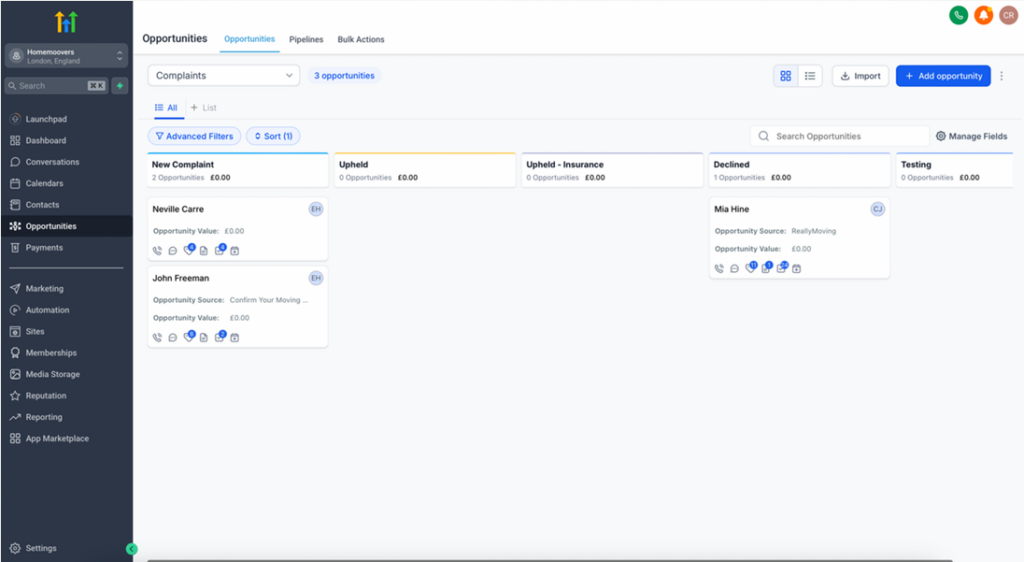
Below this section, you’ll find real GoHighLevel implementation screenshots, selected reviews, and case study references from Autoesta’s work.
These visuals are included to:
- Show how systems are structured in live environments
- Demonstrate real CRM and automation logic
- Support the experience discussed throughout this guide
They are not marketing visuals — they represent actual operational setups used by businesses on a daily basis.
(Place screenshots, review excerpts, and case study links below this section with clear captions.)
Final Note
This guide explains how to identify real GoHighLevel expertise.
Autoesta’s role within this context is not to claim that expertise — but to demonstrate it through consistent implementation, visible proof, and long-term system behavior.
When evaluating any GoHighLevel consultant or agency, the principles in this article remain the benchmark.
What makes someone a real GoHighLevel expert?
A real GoHighLevel expert has hands-on implementation experience, understands CRM architecture, knows automation limits, and has solved real-world system failures.
How do I choose the right GoHighLevel consultant?
Look for experience, industry understanding, clear explanations, realistic expectations, and proof of real implementations.
Can GoHighLevel setups fail over time?
Yes. Poor CRM structure and over-automation can cause systems to break without proper safeguards.
Is industry experience important in GoHighLevel setup?
Yes. Different industries require different workflows, follow-up logic, and automation boundaries.
What are common mistakes inexperienced GoHighLevel consultants make?
Over-automation, weak CRM design, lack of documentation, and ignoring real usage scenarios.
Can a bad GoHighLevel setup hurt lead conversion?
Yes. Missed triggers, broken pipelines, and poor follow-ups directly impact conversions.
How long does it take to build a stable GoHighLevel system?
A proper setup usually takes several weeks, depending on complexity and integrations.