Case study at a glance
| Client | Coo, a local deals marketplace app connecting small businesses with nearby customers |
|---|---|
| Problem | Local businesses had no affordable digital channel to attract new customers. Daily-deal sites took heavy commissions and one-time bargain hunters; printed coupon books cost hundreds per placement with no way to measure results. |
| What we built | A local deals marketplace app: a merchant dashboard for publishing deals, proximity- and category-based discovery for customers, a saved-deals wallet, in-store code redemption, and merchant reporting, on flat monthly pricing with no commission. |
| Service | Product strategy and development |
| Timeframe | Built in 6 weeks |
| Reported results (first year) | 2,100 local businesses listed across four cities. Average merchant acquired 47 new customers a month. 310,000 deals redeemed. 68% of redemptions came from customers who had never visited that business before. |
Coo: first-year results
Figures are reported by the client for the first year across four cities. Results vary by market and category.
What problem did Coo solve?
Local businesses struggled to consistently attract new customers and lacked an affordable digital channel to promote deals and increase community visibility.
The founder came out of local retail and had watched the same pattern for years: a small business gets a call from a daily-deals company, sells a hundred vouchers at half price plus commission, serves a hundred people who never come back, and concludes that digital marketing doesn't work for them. The alternatives weren't much better. Printed coupon books cost hundreds per placement with no way to measure whether anyone used them, and social media required a person with time to post, which a four-person business usually doesn't have.
What the client wanted was specific: a channel a hairdresser or a hardware shop could afford on a fixed monthly cost, that put a deal in front of people who live nearby, and that told the owner afterward how many walked in. Discovery for the customer, measurement for the merchant, no commission on the transaction.
What did we build?
A localized deals marketplace that lets merchants publish targeted promotions and helps customers discover nearby offers, with a flat monthly subscription and no commission on redemptions. Autoesta handled product strategy, design and development end to end.
How a deal moves through Coo
| Feature | What it does |
|---|---|
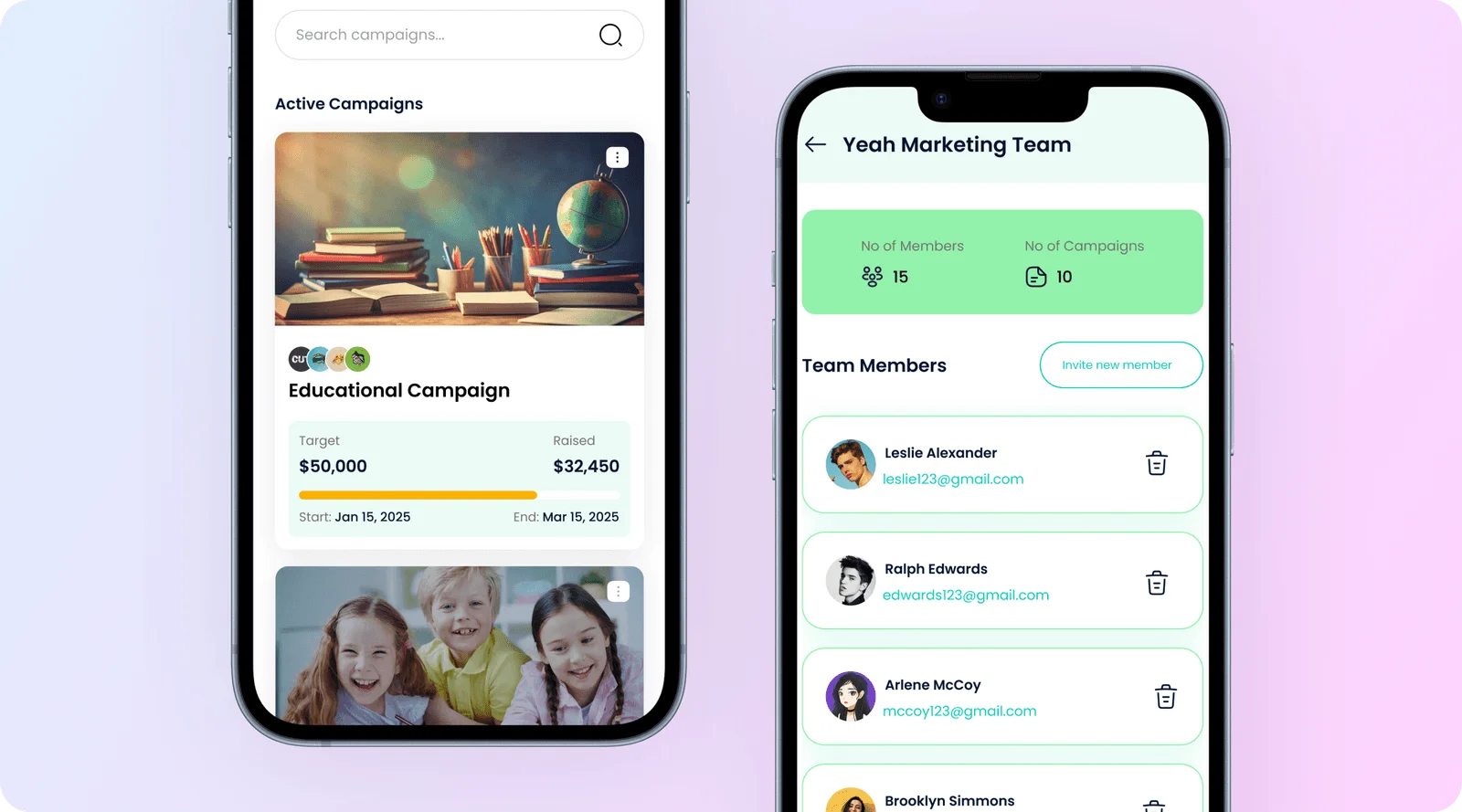
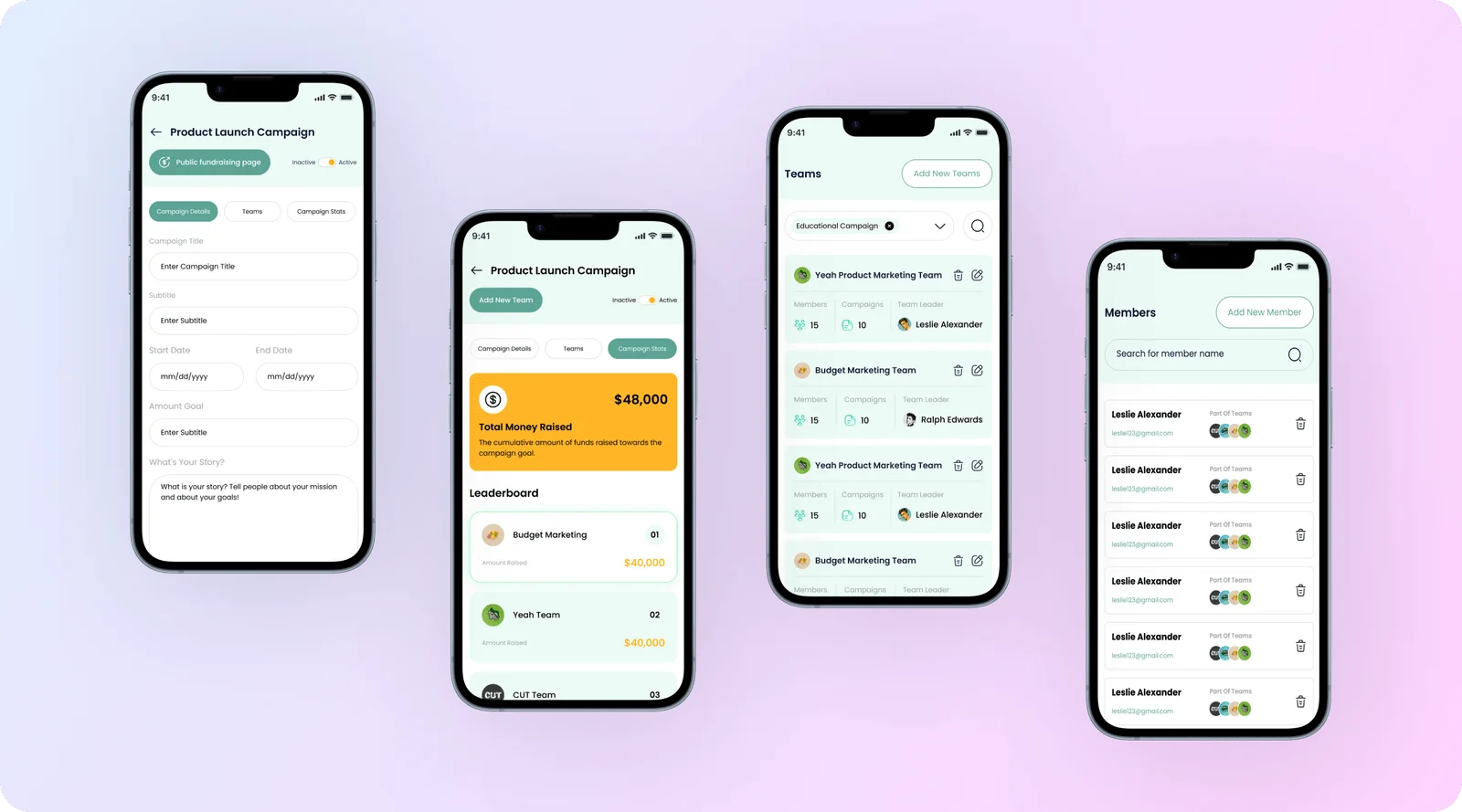
| Merchant dashboard | Publish and schedule deals with templates for recurring cases (quiet weekday, end of season, new-customer offer). Setting up a deal takes about three minutes. |
| Deal discovery | Deals surface to customers by proximity and category, with a saved-deals wallet and expiry reminders. |
| Redemption | A code shown in store and confirmed by staff. No point-of-sale integration required. |
| Campaigns | Merchants and community organizers run structured promotional campaigns, with progress tracked toward a stated goal. |
| Team access | A merchant account can add team members to manage campaigns together, with role-based access. |
| Merchant reporting | Redemption counts, repeat-versus-new-customer split, and deal-type performance against anonymized local benchmarks. |
| Pricing | Flat monthly subscription, no commission, a deliberate structural choice rather than a pricing decision. |
| Business profiles | Opening hours, photos, and contact details, so a listing works even when no deal is running. |
What changed?
Reported by the client for the first year: 2,100 local businesses listed across four cities, an average of 47 new customers a month per merchant, and 310,000 deals redeemed, 68% of them from customers who had never visited that business before.
| Measure | Reported result |
|---|---|
| Businesses listed | 2,100 across four cities, first year |
| New customers per merchant | 47 a month, on average |
| Deals redeemed | 310,000 in year one |
| New-customer redemption share | 68% never-visited-before |
| Merchant cost | $29 a month flat, replacing coupon-book placements that ran into the hundreds |
The 68% new-customer figure is what merchants renew on, since it answers the objection the daily-deal category created for itself: that deal platforms just discount a business's existing regulars. Flat pricing was the harder sell up front and the reason retention held, since merchants who had been burned by commission models needed the math explained once, and then stayed. Expansion into two further metros was underway as of this case study, with a merchant referral loop doing most of the acquisition.
What does Coo's brand system look like?
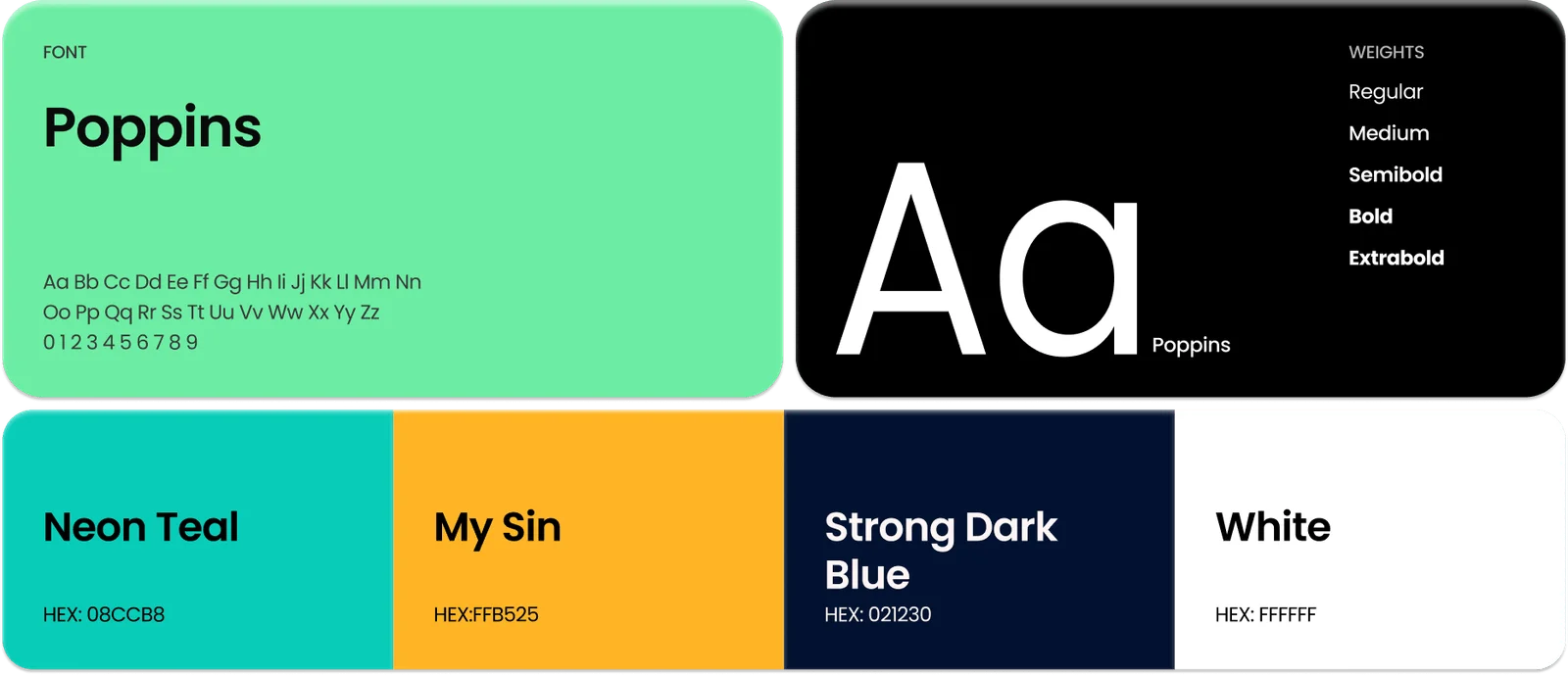
Poppins, in five weights from Regular to Extrabold, on a four-color palette: Neon Teal, an amber accent, a strong dark blue, and white.
| Color | Hex |
|---|---|
| Neon Teal | #08CCB8 |
| Amber accent | #FFB525 |
| Strong dark blue | #021230 |
| White | #FFFFFF |
Want a similar product built?
Coo is a custom software build, not a GoHighLevel or CRM project. If you need a marketplace, booking platform, or customer-facing app built from scratch, that's the same product strategy and development process. Since Coo is a mobile app specifically, see our mobile app development page for the platform, app store, and push notification questions that come with building a mobile product.
See our other case studies, including Our Fusion and Drop My Drip, built the same way, our custom software page and technology stack for what we actually build with, and our about page for who's behind the work. Use the contact page to tell us what you're trying to build.
More questions about building an app like Coo
How much does it cost to build a marketplace app like Coo?
It depends on scope. Coo's build was 6 weeks of product strategy and development for one platform with a merchant dashboard, discovery, redemption and reporting. A smaller MVP costs less; more features or platforms cost more. Custom software is quoted per project, not on a fixed price list, so book a call for a number specific to your build.
How long does it take to build a custom app?
Coo took 6 weeks from product strategy through development. Timeline depends on how many core features the first version needs and how much of the design is settled before development starts.
Do you build the app, or just design it?
Both. Product strategy, design and development are one process here, not separate vendors handed off between each other. See our technology stack for what we build with depending on the project.
Who owns the code and design after the build?
You do. Confirm the specifics in your contract, but the standard is that what we build for you is yours.
Can you build something like Coo for a different market?
Yes, the same product strategy and development process applies to a marketplace, booking platform, or customer-facing app in any category. See our solutions pages for the problem-first side of what we build, then book a call and tell us what you're building.
How do I talk to someone about a custom build?
Book a free 30-minute strategy call or use the contact page. Bring what you're trying to build and who it's for.