Case study at a glance
| Client | Internet Travel Solutions (ITS), selling enterprise travel technology services to airlines and travel operators |
|---|---|
| Problem | The company's website could have belonged to any B2B firm in any sector: generic imagery, a services list written in abstractions, and nothing that told an airline procurement lead these people understood aviation. |
| What we built | A structured enterprise web presence: an information architecture organized by client type and operational problem, service pages written around named systems and compliance frameworks, enterprise-grade case study templates, a capability matrix, gated technical documentation, and a CMS the marketing team runs without developer help. |
| Service | UX/UI and development |
| Timeframe | Full site delivered in 5 weeks, including content structure and copy |
| Reported results (first quarter after launch) | Qualified enquiries up 3.4x. Average time on site from 40 seconds to 3 minutes 20. Sales cycle shortened by an estimated 2 weeks. Mobile bounce rate down 34 points. |
All figures are reported by the client. Results depend on the buyer's prior familiarity with the company and how competitors in the category present themselves at the time.
What problem did ITS have?
The company sold enterprise services to airlines and travel operators, and its website read like it belonged to any B2B firm in any sector. Generic imagery, a services list written in abstractions, and nothing that would tell an airline procurement lead that these people understood aviation.
The commercial cost was specific. Deals were won on relationships and reputation, and the website actively undermined both. Prospects who had heard good things arrived, found nothing that matched what they had been told, and the salesperson spent the first meeting re-establishing credibility the site should have carried on its own.
The brief was not a redesign in the visual sense. The site needed to demonstrate domain understanding in the first ten seconds, and to say clearly who the company serves and what it actually does, which the existing copy managed to avoid across four hundred words.
What did we build?
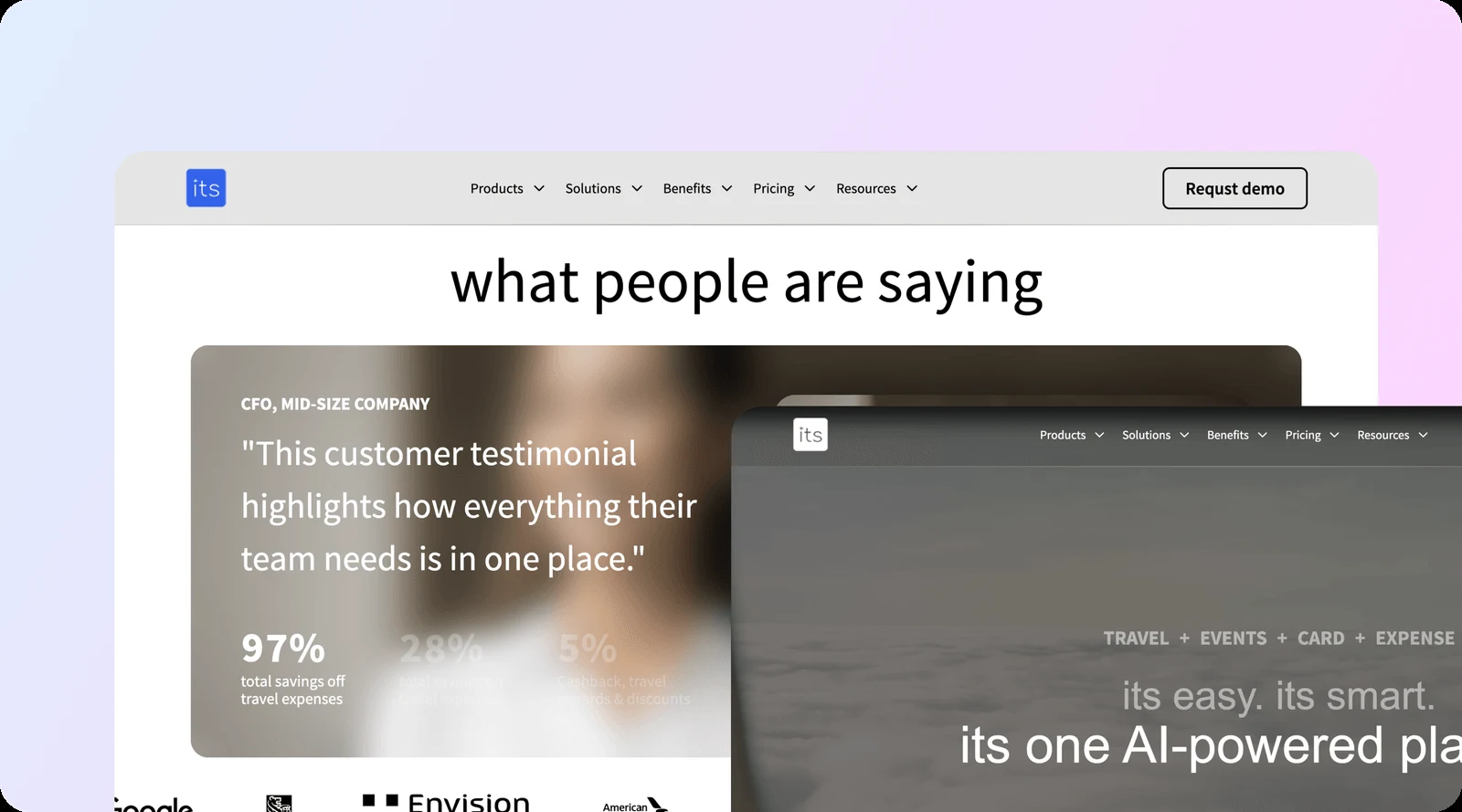
A web presence organized around who is reading it and what problem brought them there, not around internal service names: pages that lead with a client's actual operational situation, backed by named systems, integrations and compliance detail specific enough to signal real competence.
How the site is organized around the visitor
| Feature | What it does |
|---|---|
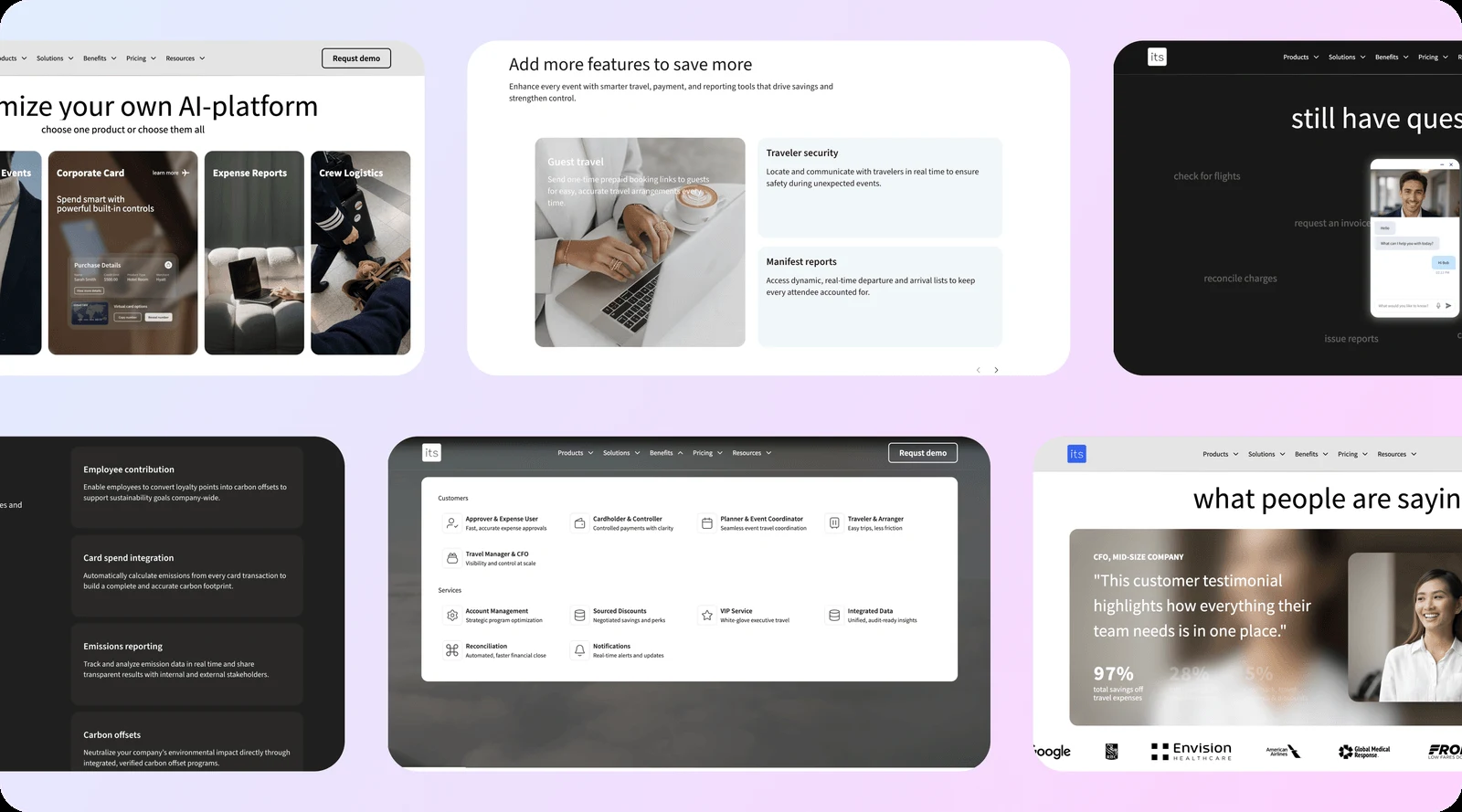
| Client-first information architecture | Organized by client type and operational problem rather than internal service naming, so an airline operations director lands somewhere that describes their actual situation. |
| Scenario-based service pages | Written around specific scenarios with named systems, integrations and compliance frameworks, since specificity is what signals competence to a technical buyer. |
| Enterprise case study templates | Structured for procurement: scope, timeline, integration detail and outcome, in a format that survives being forwarded internally. |
| Capability matrix | Maps services to client categories, so a visitor can see coverage at a glance instead of reading every page. |
| Gated technical documentation | Deeper technical detail available to qualified prospects. |
| Routed enquiry flow | Routes by client type and captures qualification detail up front, before a salesperson is involved. |
| Marketing-owned CMS | Built so the marketing team can maintain all of it without developer involvement. |
What changed?
Reported by the client, in the first quarter after launch: qualified enquiries up 3.4x, average time on site from 40 seconds to 3 minutes 20, mobile bounce rate down 34 points, and the sales cycle shortened by an estimated 2 weeks.
ITS: reported results
| Measure | Before | After |
|---|---|---|
| Qualified enquiries | Baseline | 3.4x baseline, first quarter |
| Average time on site | 40 seconds | 3 minutes 20 seconds |
| Mobile bounce rate | Baseline | Down 34 points |
| Estimated sales cycle | Baseline | About 2 weeks shorter |
The enquiry quality change mattered more than the volume. Sales stopped spending first meetings explaining what the company does, which is where the two-week cycle reduction comes from. The case study format built for the site is now used in proposal documents as well, because it turned out to be the clearest articulation of the delivery model the company had ever written down.
Why did time on site rise from 40 seconds to over three minutes?
Because the old site gave a visitor nothing to read that matched their actual situation, so they left. Organizing pages by client type and operational problem, with specific systems and compliance frameworks named on the page, gives a technical buyer a reason to keep reading past the first screen.
Average time on site, before and after
Forty seconds is barely enough to read a headline. A prospect landing and leaving that fast never reached anything that would qualify or disqualify them, so sales had no idea what a lead already knew, or didn't, before the first call. Three minutes and twenty seconds is enough to read a scenario page and a case study, which is why the sales cycle got shorter, not just the site.
What does ITS's brand system look like?
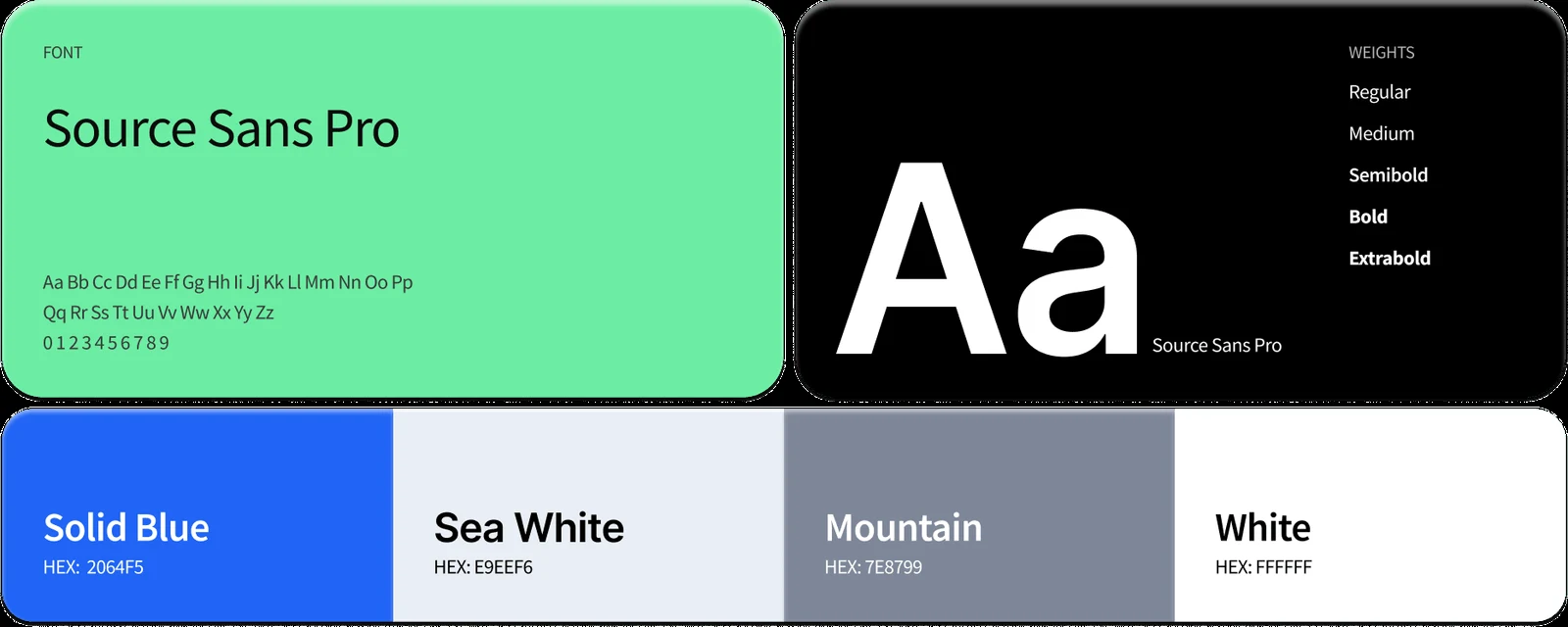
Source Sans Pro, in five weights from Regular to Extrabold, on a palette of Solid Blue, Sea White, Mountain, and white.
| Color | Hex |
|---|---|
| Solid Blue | #2064F5 |
| Sea White | #E9EEF6 |
| Mountain | #7E8799 |
| White | #FFFFFF |
How is the site organized around a visitor's problem?
A visitor lands by client type or operational problem rather than an internal service name, reads a scenario-based service page naming specific systems and compliance frameworks, checks a procurement-ready case study, and enquires through a flow that routes by client type and captures qualification detail up front.
- Land by situation. The information architecture is organized by client type and operational problem, not by how the company names its own services.
- Read a scenario page. Named systems, integrations and compliance frameworks signal competence to a technical buyer.
- Check the capability matrix. Services mapped to client categories, for a fast yes-or-no on coverage.
- Review a case study. Scope, timeline, integration detail and outcome, in a format built to be forwarded internally.
- Enquire. Routed by client type, with qualification detail captured before a salesperson gets involved.
Want a similar site built?
This is custom software, not a GoHighLevel or CRM project, the same kind of build as our Coo, Our Fusion, Drop My Drip, DEMP, Spirit Airlines, HirePrep, GoHangars and Farmers Market Haul case studies. If your website needs to demonstrate specific domain expertise to a technical or enterprise buyer, see our custom web applications page, or landing page development if the goal is a focused page that converts a specific campaign.
See our other case studies, our custom software page and technology stack for what we actually build with, and our about page for who's behind the work. Use the contact page to tell us what you're trying to build.
More questions about building an enterprise B2B website like ITS
How much does it cost to build a site like this?
It depends on scope. This build took 5 weeks of UX/UI and development for the information architecture, scenario-based service pages, case study templates, capability matrix, gated documentation and CMS. Custom software is quoted per project, not from a fixed price list, so book a call for a number specific to your build.
How long does a build like this take?
ITS's full site, including content structure and copy, shipped in 5 weeks. Timeline depends on how much of the content strategy is settled before development starts and how many scenario pages the first version needs.
Is this a redesign or a full rebuild?
For ITS it was closer to a rewrite than a restyle. The visual design changed, but the harder work was the information architecture and the copy: organizing the site by client situation instead of internal service names, and writing with the specificity a technical buyer needs to trust the company understands their industry.
Can this approach work outside aviation and travel?
Yes. Healthcare technology, industrial equipment, and specialized B2B services are common fits: any enterprise seller whose buyers need to see domain-specific competence before they will take a call benefits from the same client-first architecture and named-specifics approach. See our solutions pages for the problem-first side of what we build, then book a call and tell us what you're building.
Who owns the code and design after the build?
You do. Confirm the specifics in your contract, but the standard is that what we build for you is yours.
How do I talk to someone about a custom build?
Book a free 30-minute strategy call or use the contact page. Bring what you're trying to build and who it's for.